Home improvement
Home improvement is one of the most rewarding investments a homeowner can make. Whether you are planning a full-scale renovation, refreshing a single room, or simply looking for ways to make your living space more comfortable and efficient, understanding the fundamentals of renovation and interior design will save you time, money and frustration. This pillar page brings together the essential concepts of home improvement, from planning and budgeting to choosing materials and working with professionals, so you can approach your project with confidence.
What Is Home Improvement?
Home improvement refers to any project that upgrades, renovates or transforms a home’s structure, systems or interior design. It ranges from minor decorative updates like painting walls or rearranging furniture to major undertakings such as kitchen remodels, bathroom renovations or additions. In English-speaking countries, home improvement is a major industry, with millions of homeowners tackling projects each year either through professional contractors or as do-it-yourself (DIY) endeavors.
Projects generally fall into three broad categories:
- Functional renovations: updates that improve how a home works, such as rewiring, plumbing upgrades, insulation or new windows.
- Aesthetic improvements: changes focused on appearance, including flooring, paint, lighting fixtures and furniture.
- Value-adding projects: upgrades known to increase resale value, such as kitchen and bathroom remodels, curb appeal enhancements and energy-efficient improvements.
Understanding which category your project falls into helps you set priorities and allocate your budget wisely.
Planning Your Renovation Project
Every successful home improvement project starts with a solid plan. Rushing into work without a clear vision is one of the most common reasons projects go over budget or end in disappointment.
Define Your Goals and Priorities
Start by asking yourself what you want to achieve. Are you renovating to make your daily life more comfortable, to increase your property’s value before selling, or to accommodate a growing family? Your answer shapes every decision that follows, from materials to layout.
Set a Realistic Budget
Budgeting is where many projects stumble. A good rule of thumb is to add a contingency of 15 to 20 percent on top of your estimated costs to cover unexpected issues, such as hidden water damage or outdated wiring revealed behind walls. Track costs in three buckets:
- Materials and fixtures
- Labor and professional fees
- Permits, inspections and waste disposal
Consider a simple example: a homeowner with a 20,000bathroombudgetshouldplanforroughly20,000 bathroom budget should plan for roughly20,000bathroombudgetshouldplanforroughly16,000 in direct costs and keep $4,000 in reserve. When the contractor discovers a leaking pipe behind the vanity, the contingency absorbs the surprise without derailing the project.
Understand Permits and Regulations
Most structural, electrical and plumbing work requires permits under local building regulations. While paperwork may feel tedious, permits protect you: they ensure work meets safety codes, and unpermitted work can cause serious problems when you eventually sell your home. Check with your local building department before starting any project beyond cosmetic updates.
Choosing Between DIY and Hiring Professionals
One of the first decisions in any home improvement project is whether to do the work yourself or hire a contractor. Both options have merit, and the right choice depends on the complexity of the task, your skill level and your available time.
When DIY Makes Sense
Certain tasks are well suited to beginners and offer satisfying results without major risk:
- Painting walls and ceilings
- Installing shelving or assembling flat-pack furniture
- Replacing cabinet hardware and light fixtures
- Laying peel-and-stick tile or vinyl flooring
- Basic landscaping and garden updates
These projects typically require modest tools, minimal technical knowledge and limited financial risk if mistakes happen.
When to Hire a Professional
Some work should always be left to licensed tradespeople for safety, legal and quality reasons:
- Electrical work beyond changing a fixture
- Plumbing that involves moving pipes or modifying supply lines
- Structural changes, such as removing or altering walls
- Roofing and major exterior work
- Gas appliance installation
A helpful analogy: think of your home like a human body. Cosmetic updates are like a new haircut, low risk and easily changed. Electrical and structural work are like surgery; mistakes carry serious consequences and require a qualified professional.
Finding and Working With Contractors
Choosing the right contractor can make or break your renovation. Follow these steps to protect yourself:
- Collect at least three detailed written quotes for comparison.
- Verify licenses, insurance and references from recent clients.
- Put everything in a written contract, including timeline, payment schedule and materials.
- Avoid paying large sums upfront; a modest deposit with milestone payments is standard practice.
- Keep communication regular and document any changes in writing.
Interior Design Fundamentals for Every Room
Once the practical side is planned, interior design is where your home starts to reflect your personality. You do not need a design degree to create beautiful spaces; a few core principles go a long way.
Color and Light
Color sets the mood of a room. Light, neutral tones make small spaces feel larger and airy, while deeper colors add warmth and drama to larger rooms. A reliable approach for beginners is the 60-30-10 rule: 60 percent of the room in a dominant color, 30 percent in a secondary color, and 10 percent as an accent. Natural light matters just as much; maximize it with sheer window treatments and strategically placed mirrors.
Layout and Flow
Before buying furniture, map out how you actually use the room. Leave clear pathways for movement, generally at least 30 inches around main routes. In open-plan homes, use rugs, lighting and furniture arrangement to visually define zones without building walls.
Materials and Textures
Layering textures creates depth and interest. Combine smooth surfaces with tactile ones: a plush rug on hardwood flooring, linen cushions against a leather sofa, or matte ceramics next to polished metal fixtures. When selecting materials, weigh durability against appearance. A beautiful but fragile countertop may not suit a busy family kitchen, while scratch-resistant laminate could be a smarter long-term choice.
Room-by-Room Priorities
- Kitchen: focus on workflow, durable surfaces and ample storage; even modest updates like new cabinet fronts and hardware can transform the space.
- Bathroom: prioritize waterproofing, ventilation and moisture-resistant materials.
- Living room: invest in comfortable, versatile seating and flexible lighting.
- Bedroom: favor calm colors, blackout options for windows and clutter-reducing storage.
Energy Efficiency and Sustainable Home Improvement
Energy-efficient upgrades deserve a place near the top of any home improvement list. They reduce utility bills, improve comfort and appeal to environmentally conscious buyers. Recent years have seen significant advances in accessible efficiency measures, and many governments in English-speaking countries offer rebates or tax incentives for qualifying upgrades.
High-impact efficiency projects include:
- Adding or upgrading insulation in attics and walls
- Sealing air leaks around windows, doors and ductwork
- Installing a programmable or smart thermostat
- Upgrading to energy-efficient windows and appliances
- Switching to LED lighting throughout the home
For example, improving attic insulation is often cited as one of the best returns on investment in home improvement: the material cost is relatively modest, installation is straightforward, and the comfort improvement is noticeable immediately, especially in regions with hot summers or cold winters.
Common Home Improvement Mistakes to Avoid
Learning from others’ missteps is cheaper than making your own. Watch out for these frequent pitfalls:
- Underestimating costs: always build in a contingency rather than budgeting to the last dollar.
- Over-improving for the neighborhood: a luxury kitchen in a modest neighborhood rarely recoups its cost at resale.
- Following trends too closely: bold, trendy designs can date quickly; timeless choices age better.
- Skipping the preparation phase: proper surface prep, waterproofing and priming determine the longevity of finishes.
- Starting without measurements: measure twice, order once. Incorrect dimensions are a leading cause of returned materials and delays.
Frequently Asked Questions About Home Improvement
Which renovations add the most value to a home?
Kitchen and bathroom remodels consistently rank among the highest returns, along with new siding, entry door replacement and energy-efficient upgrades. Minor, cost-effective refreshes often deliver better percentage returns than full luxury remodels.
How long does a typical renovation take?
It depends on scope. A cosmetic room refresh may take a few days to a couple of weeks, while a kitchen remodel commonly runs six to twelve weeks including planning and material lead times. Always confirm timelines in your contract and allow buffer time for delays.
Should I renovate before selling my home?
Not always. Focus on repairs and low-cost improvements that boost first impressions: fresh paint, decluttering, landscaping and fixing obvious defects. Major renovations right before selling rarely return their full cost.
How do I live comfortably during a renovation?
Set up a temporary kitchen if remodeling yours, seal off work zones with plastic sheeting to contain dust, protect floors and belongings, and plan noisy work for reasonable hours. For extensive renovations, consider whether short-term alternative accommodation is worth the peace of mind.
Moving Forward With Your Home Improvement Journey
Home improvement is a journey rather than a single event. Start with a clear plan, respect your budget, know your limits between DIY and professional work, and make design choices that balance beauty with everyday practicality. Whether your first project is repainting a bedroom or rebuilding a kitchen, each improvement builds your skills, your comfort and your home’s long-term value. Take it one well-planned step at a time, and your home will reward you for years to come.
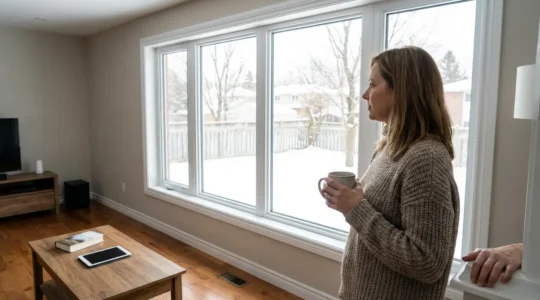
How to Choose Energy-Efficient Windows for Your Home
When Michael called me from London, Ontario, his frustration was palpable. His 1992 colonial home had a brand-new furnace, yet his heating bills hit $380 monthly every winter. The culprit? Original double-hung windows that let heat escape like an open…
Lire la suite
Stop Wasting Money on Outdated Plumbing Systems
Your monthly utility bill arrives, and you pay it without question. The water heater hums in the basement, the faucets run when you turn them on, and the toilets flush. Everything seems fine. Yet beneath this facade of functionality, your…
Lire la suite
Window manufacturer in Toronto : buying guide for first time homeowners
Selecting the right windows for your Toronto home is a crucial decision that impacts energy efficiency, comfort, and aesthetics. As a first-time homeowner, navigating the complex world of window manufacturing can be daunting. This comprehensive guide will explore the Toronto…
Lire la suite
Ottawa home makeovers: start with hiring the right professional
Embarking on a home makeover in Ottawa can be an exciting yet daunting task. Whether you’re looking to refresh your living space, increase your property value, or adapt your home to changing needs, the key to a successful transformation lies…
Lire la suite
Discover luxury real estate with an expert and reliable agency
The world of luxury real estate represents much more than simple property transactions—it embodies an exclusive lifestyle where exceptional homes meet the discerning needs of sophisticated clients. Navigating this high-end market requires specialized knowledge, extensive networks, and a profound understanding…
Lire la suite
How to choose the right water softener for your needs
Water quality plays a crucial role in our daily lives, affecting everything from the longevity of our appliances to the health of our skin and hair. For many households, hard water presents a significant challenge, causing limescale buildup, reducing soap…
Lire la suite
The importance of proper HVAC installation: avoiding costly mistakes
A well-functioning HVAC system is the cornerstone of comfort in any home or commercial building. However, the efficiency and longevity of your heating, ventilation, and air conditioning equipment hinge on one critical factor: proper installation. Many property owners underestimate the…
Lire la suite
Quantifying Radiative Energies: Methods and Applications
Radiation is a type of energy that travels through the air or space in the form of waves or particles. It is used in many different fields, including medicine, communications, manufacturing, and power generation. There are two main types of…
Lire la suite
How to decorate a luxury house with a french touch
In this article, we’ll explore how to decorate a luxury house with a French touch. We’ll cover topics like choosing the right furniture, accessories, and colors to create a luxurious French-inspired home. Mix Old and New When it comes to…
Lire la suite
A step-by-step guide to the home building process
Building a house is a hectic and demanding project that may require professional assistance. House construction in any location, even house construction Cannes, is an elaborate process that follows specific steps. Below is a step by step guide to the…
Lire la suite