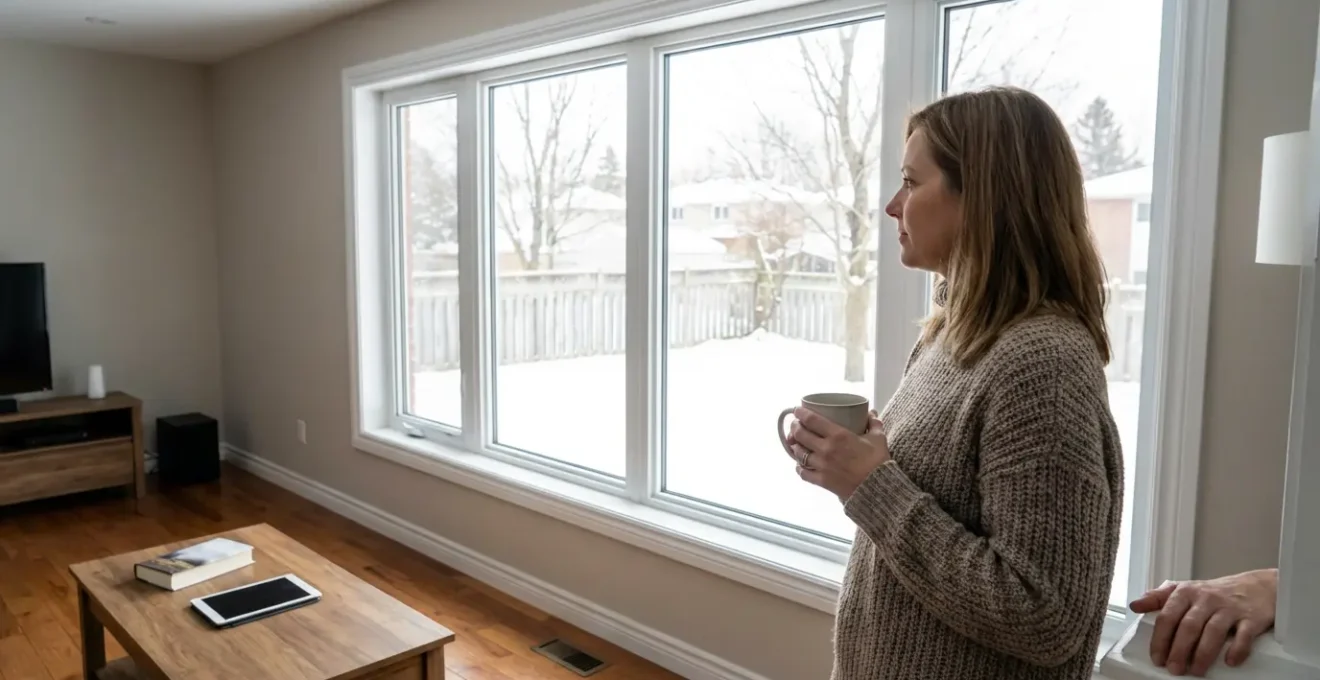
When Michael called me from London, Ontario, his frustration was palpable. His 1992 colonial home had a brand-new furnace, yet his heating bills hit $380 monthly every winter. The culprit? Original double-hung windows that let heat escape like an open door. This scenario plays out across Canadian homes every heating season—and the solution isn’t simply buying the most expensive windows you can find.
The 5-Point Window Selection Summary
- Look for U-factor ≤0.21 or Energy Rating (ER) ≥34 to meet ENERGY STAR Canada standards
- Triple-pane provides roughly 50% more insulation than double-pane—worth the premium in cold climates
- Frame material matters as much as glass: fiberglass and quality vinyl outperform aluminum
- Budget $800-$2,000 per window installed, depending on size and specifications
- Installation quality can make or break performance—always verify installer credentials
What Actually Makes Windows Energy-Efficient (And What Doesn’t)
Here’s what salespeople won’t tell you: the highest-rated window isn’t always the best choice for your home. I’ve seen homeowners spend thousands on premium windows with excellent U-factors, only to end up with higher heating bills. How? They overlooked a critical detail.
NRCan‘s 2025 Most Efficient requirements set clear benchmarks. ENERGY STAR certification demands a maximum U-factor of 0.21 or an Energy Rating of at least 34. The “Most Efficient” designation pushes further—ER of 40 or higher and U-factor of 0.18 or lower. These numbers matter.
7-12%
reduction in energy bills with ENERGY STAR certified windows
But here’s where I see homeowners go wrong. In my experience advising families across Southern Ontario, the most common mistake is focusing exclusively on U-factor while ignoring Solar Heat Gain Coefficient (SHGC). One family I consulted with invested in premium triple-pane windows with an excellent 0.19 U-factor, but chose low SHGC glass. Their south-facing living room now needs supplemental heating in winter because they blocked beneficial solar heat gain. This observation applies particularly to homes with significant south and west-facing glazing.
The Rating That Gets Overlooked: SHGC measures how much solar heat passes through the glass. In Canadian winters, south-facing windows with higher SHGC (around 0.25-0.35) capture free heat from the sun. Low SHGC works for west-facing windows where summer overheating is a concern.
Triple-Pane, Double-Pane, or Specialized Glass: Which Delivers Real Savings?
The triple vs. double debate consumes most window shopping conversations. Let me cut through the noise: for most Canadian homes above the 49th parallel, triple-pane is my baseline recommendation. Here’s the practical breakdown.
Double-Pane Windows: When They Still Make Sense
Double-pane isn’t obsolete. For budget-constrained projects, condos with mild microclimate exposure, or rental properties, modern double-pane with Low-E coating and argon fill delivers acceptable performance. You’ll meet basic code requirements. But “acceptable” means accepting roughly 30% more heat loss than triple-pane alternatives.
I typically recommend double-pane only when the budget absolutely demands it, or when you’re replacing windows in a home you’ll sell within five years. The payback math changes in short ownership scenarios.
Triple-Pane Windows: The Canadian Winter Standard
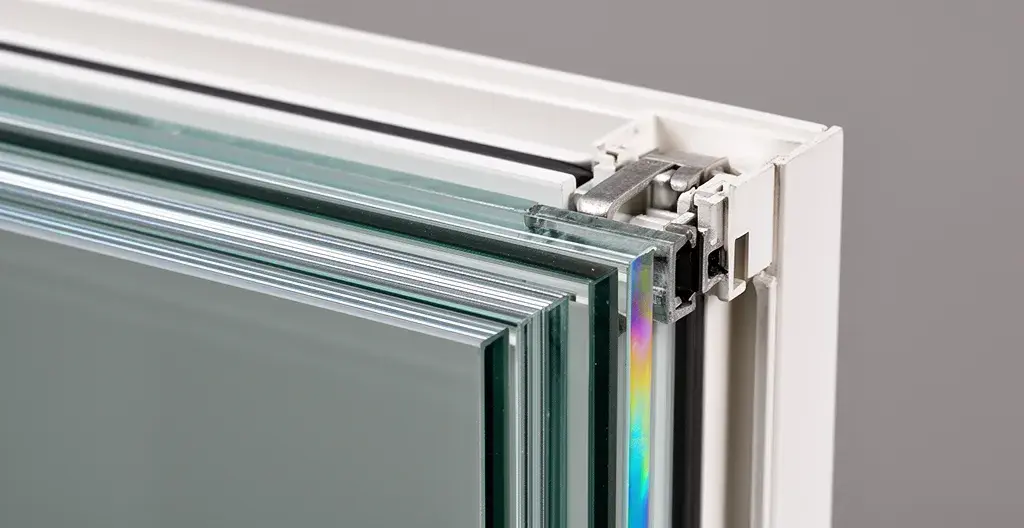
According to efficiency data from JELD-WEN, triple-pane windows provide 50% more insulated space and 50% more gas fill than dual-pane alternatives. That’s not marketing fluff—it’s physics. Two air gaps instead of one. Two Low-E surfaces instead of one.
Natural Resources Canada confirms that ENERGY STAR certified windows reduce overall annual energy costs by about 8%. When you’re starting from drafty 1980s or 1990s windows, that percentage translates to real dollars. If you’re considering a window buying guide for homeowners, triple-pane should be your default filter.
Low-E Coatings and Gas Fills: Worth the Upcharge?
Short answer: yes. The upcharge is minimal compared to the performance gain. Low-E (low-emissivity) coatings reflect heat back into your home during winter. Argon or krypton gas fills between panes slow heat transfer because they’re denser than air.
What the brochures don’t always clarify: gas fills dissipate slowly over time. A quality window maintains around 80% of its gas fill after 20 years. Cheap windows with poor seals might lose gas within a decade. This is why installer quality matters as much as the glass itself.
| Feature | Double-Pane | Triple-Pane | Cost Impact |
|---|---|---|---|
| Insulation Value | Good (R-3 to R-4) | Excellent (R-5 to R-7) | +15-25% |
| Heat Loss Reduction | Baseline | Up to 30% better | — |
| Condensation Resistance | Moderate | High | — |
| Noise Reduction | Moderate | Excellent | — |
| Best For | Mild climates, budget projects | Canadian winters, long-term homes | — |
Which Windows Fit Your Home and Budget?
-
If budget is your primary constraint:
Quality double-pane with Low-E and argon fill. Prioritize proper installation over glass upgrades. Replace highest-loss windows first (north-facing, largest units).
-
If you’re staying 10+ years and want maximum efficiency:
Triple-pane with Low-E on surfaces 2 and 5, argon fill, and quality vinyl or fiberglass frames. Consider higher SHGC for south-facing glazing.
-
If you’re balancing efficiency with resale timing:
Triple-pane for main living areas, double-pane for secondary rooms. Focus on curb appeal windows first—buyers notice front-facing upgrades.
-
If you have a heritage or character home:
Consult a specialist before assuming standard products fit. Custom sizing and period-appropriate styles may require longer lead times and higher budgets.
Frame Materials: The Hidden Factor in Window Performance
I remember walking through a home in Mississauga where the owners had installed beautiful triple-pane windows with impressive U-factor ratings. They couldn’t understand why frost still formed on the inside edges. The culprit: aluminum frames without adequate thermal breaks. Premium glass undermined by the wrong frame choice.
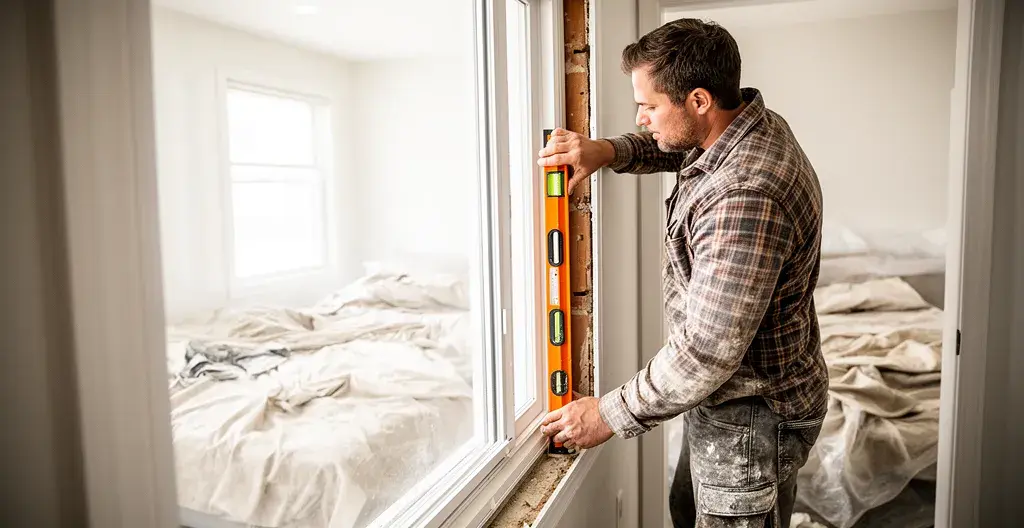
Frame material contributes 20-30% of a window’s overall thermal performance. Here’s my honest assessment of the options you’ll encounter.
Vinyl (uPVC) dominates the Canadian market for good reason. Multi-chambered profiles trap air for insulation. Quality vinyl windows last 20-40 years with UV stabilization. They’re affordable and low-maintenance. The downside? Budget vinyl may develop minor air leaks over time as material expands and contracts. Companies like ravenwindows.com specialize in European-style systems that address these concerns with advanced frame engineering.
Fiberglass maintains dimensional stability without the expansion and contraction issues of vinyl. Foam-filled fiberglass frames can achieve U-factors as low as 0.23—putting them on par with premium glass performance. The trade-off is cost: typically 20-30% more than vinyl.
Aluminum requires thermal breaks to be viable in Canadian climates. Without that thermal break (an insulating barrier within the frame), aluminum conducts heat like a radiator running backward—pushing warmth straight outside. Modern aluminum with proper thermal breaks can work, but I rarely recommend it for primary living spaces in heating-dominant climates.
Why Vinyl Works for Most Budgets
- 20-30% lower cost than fiberglass
- Excellent moisture resistance
- Widely available with proven 20+ year track record
When Fiberglass Justifies the Premium
- Extreme temperature swings (northern regions)
- Very large window openings requiring rigidity
- Maximum longevity priority (30+ year horizon)
From Ratings to Reality: Making Your Final Decision
You’ve gathered quotes. The numbers vary wildly—maybe $18,000 to $42,000 for the same project. This range frustrates every homeowner I talk to. The answer lies in what’s actually included.
According to 2025 pricing analysis from Magic Window, national averages range from $800 to $2,000 per new window, depending on material, size, and specifications. Labor adds $70-$150 per window average, sometimes reaching $200 or more for complex installations. Colder provinces like Alberta or Manitoba see 10-25% price increases due to stricter efficiency standards.

From Drafty to Cozy: Michael’s Window Upgrade
I worked with Michael last year in London, Ontario. His situation stuck with me because the transformation was so dramatic. His 1992 colonial had original double-hung windows—wood frames with single Low-E coating, original weatherstripping long since failed.
Before: Heating bill averaging $380/month in winter despite a new high-efficiency furnace.
Decision: European tilt-and-turn triple-pane windows with optimal SHGC for his predominantly south-facing home orientation. Quality vinyl frames with multi-chamber construction.
After: First winter heating costs dropped to $210/month—a 45% reduction. The house felt different within days of installation. No more cold spots near windows. His home office (north-facing) finally felt comfortable for the first time in 30 years.
Michael’s result isn’t guaranteed for everyone. The savings depend on your starting point, home orientation, and heating fuel costs. But it shows what’s possible when specifications match the home’s actual needs. If you’re budgeting for this kind of project, a credit simulator for renovation work can help map out financing options.
10 Questions to Ask Before Signing Any Quote
- What is the exact U-factor and ER rating for these specific windows?
- Are these windows ENERGY STAR certified for the Canadian market?
- What type of Low-E coating and which surfaces have it applied?
- What gas fill is used, and what’s the warranty on seal integrity?
- Who actually performs the installation—employees or subcontractors?
- What happens to the old windows and frames (removal and disposal)?
- Is exterior and interior trim replacement included in the quoted price?
- What insulation method is used around the new frames?
- Can you provide references from installations completed in the past year?
- What’s covered under warranty—glass, frame, seals, labor—and for how long?
Your Questions About Energy-Efficient Windows
How long before energy-efficient windows pay for themselves?
Most homeowners see payback in 10-15 years based on energy savings alone. Factor in improved comfort, reduced HVAC strain, and potential resale value increase, and the effective payback shortens. Homes with older, single-pane or failed-seal windows see faster returns—sometimes under 8 years.
Are rebate programs still available for window replacement in 2025?
Many federal programs have ended or changed. The Canada Greener Homes Loan stopped accepting new applicants in October 2025. Some provincial programs continue—check your province’s current offerings directly. ENERGY STAR certification remains essential for any rebate eligibility, so verify your chosen windows meet current standards regardless.
Can I install new windows during winter months?
Yes, professional installers work year-round. They use techniques to minimize heat loss during the swap—typically completing one window at a time. Your home might drop a few degrees temporarily, but a competent crew finishes quickly. The advantage: winter installation slots are often more available than spring rush periods.
Why do my new windows have condensation on the inside?
Interior condensation after installing energy-efficient windows often means your home’s humidity is now trapped inside—the old drafty windows were actually ventilating moisture out. Consider improving ventilation through bathroom fans, range hoods, or an HRV system. If condensation appears between panes, that’s a seal failure requiring warranty service.
What’s the difference between Canadian and American ENERGY STAR requirements?
Canadian standards are stricter, reflecting colder climate zones. A window certified for US Northern Zone may not meet Canadian requirements. Always verify the window carries ENERGY STAR Canada certification specifically—not just the general ENERGY STAR label. The Canadian program uses different climate zone definitions and performance thresholds.
Your Next Step
Window shopping gets overwhelming fast. Start with one action: walk through your home and identify which windows feel coldest in winter. Those are your high-impact replacement priorities. Get quotes for those specific windows first, using the checklist above to compare apples to apples.
What questions are you wrestling with that I haven’t covered here? Drop me a note—real questions from homeowners shape what I write about next.