Your monthly utility bill arrives, and you pay it without question. The water heater hums in the basement, the faucets run when you turn them on, and the toilets flush. Everything seems fine. Yet beneath this facade of functionality, your outdated plumbing system may be hemorrhaging hundreds of dollars every month through mechanisms most homeowners never detect until it’s too late.
The uncomfortable truth is that aging plumbing infrastructure doesn’t announce its inefficiency with dramatic failures. Instead, it bleeds your budget through invisible leaks, thermal inefficiency, and progressive deterioration that compounds over years. When homeowners finally consider upgrading their plumbing systems, they’re often shocked to discover they’ve been overpaying by 30-50% for years without realizing it.
This isn’t about replacing fixtures that still work. It’s about understanding the true cost of keeping them. The strategic investment framework revealed below transforms how you evaluate plumbing decisions, shifting focus from upfront price tags to long-term financial impact. By identifying silent drain points and calculating your actual monthly losses, you’ll discover which upgrades pay for themselves fastest and how to phase investments without breaking your budget.
Smart Plumbing Investment Strategy: 5 Essential Insights
- Your plumbing’s true cost includes invisible water loss, energy waste, and repair compounding that can exceed $100 monthly
- Five silent failure points drain your wallet years before visible symptoms appear, creating preventable financial leaks
- Strategic upgrades follow a tiered ROI matrix, with quick-win fixtures paying back in 6-18 months
- Smart prevention technology eliminates catastrophic repair costs rather than just reducing consumption
- Phased upgrade roadmaps spread investment over 12-36 months while using early savings to fund later phases
The Hidden Monthly Drain: Calculating What Your Old System Actually Costs
Most homeowners track their water and energy bills as fixed expenses, assuming variations result from usage habits rather than system efficiency. This assumption masks a financial reality: outdated plumbing creates phantom consumption zones that operate 24/7, generating costs completely independent of your actual water needs.
The True Cost of Ownership framework reveals what traditional bills hide. Your real monthly plumbing expense equals your base water charge plus surplus from undetected leaks, plus energy costs from inefficient water heating, plus the amortized monthly cost of annual repairs. This formula exposes the gap between what you think you’re spending and what your system actually costs.
Consider the most common phantom consumption zones. A toilet with a slow leak can waste up to 200 gallons daily, while a faucet dripping just once per second loses 17 gallons. These aren’t dramatic failures requiring immediate repair; they’re subtle inefficiencies that homeowners accommodate rather than address. Multiply these losses by municipal water rates and energy costs for heating wasted water, and the financial impact becomes substantial.
| Issue Type | Daily Water Loss | Annual Cost Impact |
|---|---|---|
| Running Toilet | 200 gallons daily from running toilets | $600-800 |
| Dripping Faucet (1 drip/sec) | 17 gallons from a single dripping faucet | $35-70 |
| 10% Homes with Major Leaks | 90+ gallons wasted in homes with major leaks | $270-360 |
The benchmark comparison strategy provides immediate clarity. Research typical water and energy costs for homes similar to yours but equipped with modern plumbing standards. If your bills exceed this benchmark by 20% or more, the difference represents your monthly penalty for outdated infrastructure. This gap compounds over time, creating an opportunity cost that dwarfs the initial investment in upgrades.
The opportunity cost dimension often proves most shocking when calculated over realistic timeframes. Money spent on repetitive repairs and inflated utility bills could instead compound as savings or investment returns. A homeowner paying an extra $75 monthly due to plumbing inefficiency loses $900 annually, which over ten years represents $9,000 in direct costs plus the foregone investment growth that money could have generated.
Five Silent Failure Points Draining Your Wallet Before Symptoms Appear
Aging plumbing systems exhibit a deceptive characteristic: they fail progressively rather than catastrophically. While homeowners remain vigilant for visible warning signs like stains, noise, or pressure drops, the most expensive deterioration occurs asymptomatically for years before detection becomes possible without specialized equipment.
Internal corrosion in galvanized pipes exemplifies this invisible degradation. As pipes age, mineral buildup and corrosion gradually reduce the internal diameter, forcing your water pump to work harder to maintain pressure. This increased energy consumption can reach 15-30% above baseline, yet because the pressure at your faucets remains adequate for years, you never suspect the inefficiency. The cumulative energy waste often totals thousands of dollars before the pipe finally fails visibly.
Water heater valve degradation follows a similarly stealthy pattern. These valves lose thermal efficiency at approximately 2-3% annually, a rate imperceptible month-to-month but devastating over time. After eight years, your water heater may be operating at 20-25% reduced efficiency, meaning you’re paying a quarter more to heat the same amount of water compared to a properly functioning system.
The scale of this hidden waste extends beyond individual homes. Nationally, aging infrastructure creates staggering losses, with approximately 33 trillion gallons lost annually due to leaking infrastructure. While municipal systems account for much of this figure, residential plumbing contributes substantially through micro-leaks and degraded components that never trigger homeowner action.
| Technology | Detection Capability | Best Application |
|---|---|---|
| GWUT | Surface anomalies and wall thinning detection | Long pipeline sections |
| MMM | Early-stage stress and corrosion identification | Inaccessible locations |
| ILI | Internal and external pipeline assessment | Piggable pipelines |
Pipe sedimentation represents another accumulating threat. Mineral deposits build up gradually, forcing the entire system to work harder while accelerating wear on pumps and fixtures. This increased mechanical stress shortens component lifespan without producing obvious symptoms until complete failure occurs, typically years after the efficiency losses began costing you money.
Compressed toilet seals create micro-leaks ranging from 1-5 gallons daily. These volumes are too small to notice during normal use but large enough to add $30-150 to your annual costs. Without dedicated meter monitoring, these leaks remain undetected indefinitely while continuously draining your budget.
Regular monitoring, coupled with advanced technologies, enables early detection of corrosion, facilitating timely interventions
– G3Soilworks Engineering, Pipeline Corrosion Management Guide
Obsolete aerators and flow regulators installed before 2010 consume 30-50% more water than current WaterSense standards. These components typically receive no attention because they’re “working fine,” yet their outdated technology imposes a permanent efficiency penalty that compounds over every year of continued use.
The Upgrade ROI Matrix: Which Replacements Pay Back First
The strategic upgrade approach rejects the all-or-nothing mentality that paralyzes many homeowners into inaction. Rather than viewing plumbing improvement as a massive single investment, the ROI matrix methodology prioritizes interventions by their payback speed, allowing you to capture quick financial wins that fund subsequent phases.
Tier 1 upgrades deliver payback within 6-18 months and should constitute your immediate action list. WaterSense-certified low-flow toilets, efficient showerheads, and faucet aerators require minimal investment ($200-600 total) while generating $15-25 in monthly savings. These components replace the highest-volume water fixtures in your home with versions that reduce consumption by 20-60% without compromising performance.
The monthly savings calculation for Tier 1 upgrades is straightforward. A family of four using pre-2010 toilets consumes approximately 70 gallons daily just for flushing, compared to 35 gallons with WaterSense models. At typical municipal rates including sewage charges, this 35-gallon daily reduction saves $12-18 monthly. Add efficient showerheads and aerators, and monthly savings reach the $15-25 range, recovering the installation investment within the first year.
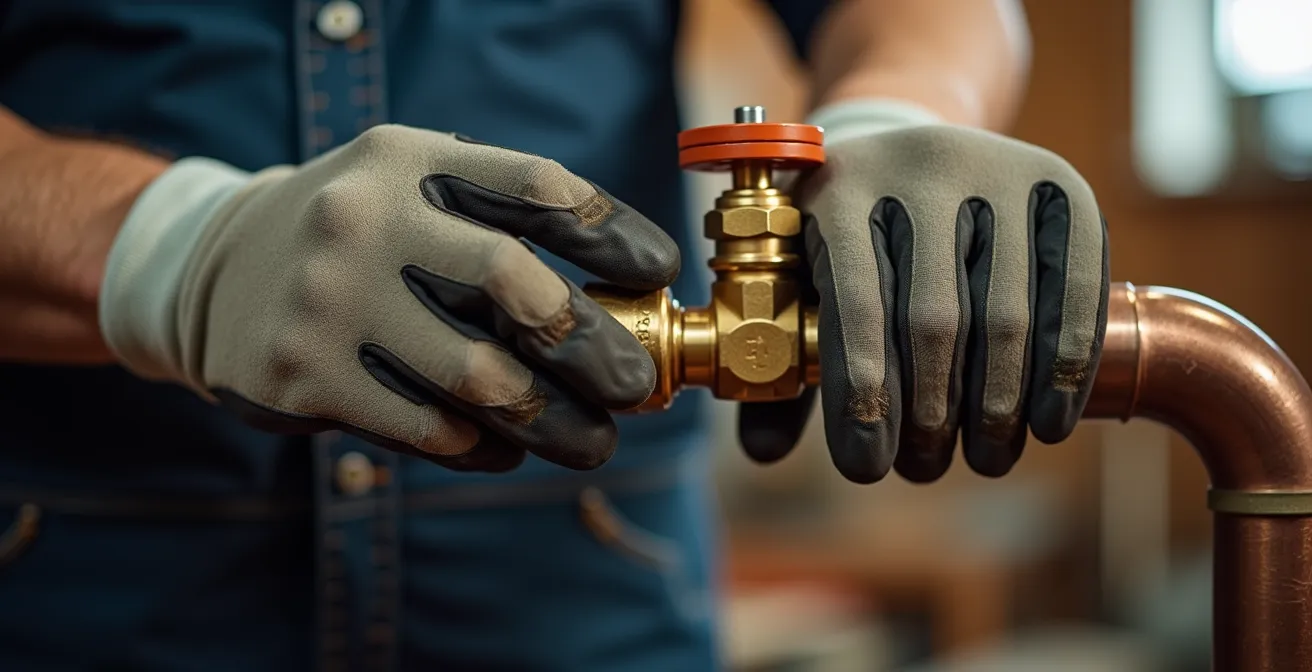
Tier 2 interventions carry higher upfront costs ($800-3,000) but generate more substantial monthly savings ($30-80) while addressing energy consumption and leak prevention. Tankless or hybrid water heaters eliminate standby heat loss, reducing energy costs by 20-40% compared to traditional tank models. Smart leak detectors provide 24/7 monitoring, catching problems before they escalate into expensive repairs. Hot water pipe insulation prevents heat loss during distribution, reducing the energy needed to deliver usably hot water to fixtures.
These mid-tier upgrades typically achieve full payback within 2-4 years. A hybrid water heater costing $1,500 installed might save $50 monthly on energy costs, recovering its investment in 30 months while continuing to generate savings for its 10-15 year lifespan. This timeframe aligns well with how long most homeowners remain in a property, ensuring you benefit financially even if you move before the system’s end of life.
Tier 3 upgrades involve structural improvements like complete pipe replacement, recirculation systems, and water softeners. These investments range from $3,000-8,000 but address fundamental system limitations rather than just improving efficiency. The payback period extends to 5-8 years, combining direct monthly savings ($40-100) with reduced emergency repair probability and increased home value.
The decision formula remains consistent across tiers: divide installation cost by the sum of monthly savings plus avoided repair costs to calculate your payback period. Prioritize interventions with payback under 36 months when cash flow matters most, then progress to longer-term strategic improvements as your budget allows. This approach ensures every dollar invested works immediately to fund the next phase rather than sitting idle waiting for eventual returns.
For homeowners seeking to maximize system longevity beyond these strategic upgrades, implementing essential plumbing maintenance practices creates a foundation that protects your upgrade investment while extending the operational life of all components.
Smart Plumbing Technology That Pays for Itself Through Prevention
The newest generation of plumbing technology shifts the ROI equation from consumption reduction to catastrophe elimination. While traditional upgrades save money by using less water or energy, smart prevention systems justify their cost by eliminating low-probability, high-cost disasters that can devastate household budgets.
Automatic leak detection systems with shutoff capability represent the paradigm example. These devices cost $300-800 installed but protect against major leak events that average $2,500-10,000 in combined water damage, repairs, and insurance deductibles. The ROI calculation differs from traditional upgrades because you’re not saving $X monthly but rather eliminating a severe tail risk with potentially devastating financial consequences.
Modern systems respond with remarkable speed when anomalies occur. Water detectors have been reliable and have triggered alerts in seconds, allowing homeowners to intervene before minor issues cascade into major damage. This rapid response capability alone justifies the investment for anyone who travels frequently or owns rental properties where undetected leaks can persist for days or weeks.
Smart shutoff valves provide an additional layer of protection that extends beyond surface-level leak detection. They will also detect leaks in the wall, something a sensor won’t do, by monitoring flow patterns and pressure changes that indicate hidden pipe failures. This whole-system monitoring approach catches problems conventional sensors miss entirely, preventing catastrophic damage from leaks that have no visible symptoms until structural damage occurs.
Intelligent pressure regulators prevent a different category of expensive failure. Municipal water pressure above 50 PSI accelerates wear on every component in your plumbing system, from valve seals to appliance connections. By maintaining optimal pressure, these regulators extend fixture and appliance lifespan by 30-50%, effectively delaying replacement costs worth thousands of dollars over a home’s ownership period.
Real-time consumption monitoring systems like Flo by Moen or Phyn learn your household’s normal usage patterns and alert you instantly to anomalies. A toilet that begins running continuously or a pipe that develops a slow leak triggers immediate notification, allowing intervention before the problem persists long enough to cause significant damage or waste. At approximately $500 installed, these systems typically prevent 1-2 emergency service calls annually (valued at $150-400 each), achieving payback within 2-3 years while continuing to provide protection indefinitely.
Backflow preventers and check valves constitute required protection in many jurisdictions, with municipal fines ranging from $500-2,000 for non-compliance. Beyond avoiding penalties, these devices prevent contamination incidents that could compromise your household’s water safety and expose you to liability. The prevention value in this case combines financial protection with health security, justifying the investment even without measurable monthly savings.
When evaluating any plumbing upgrade or preventive technology, it’s crucial to find the right plumber who understands both traditional systems and modern smart technology integration, ensuring proper installation and optimal system performance.
Key Takeaways
- Calculate your true plumbing cost using water loss, energy waste, and repair amortization to reveal hidden monthly drains exceeding $100
- Target silent failure points like corroding pipes and degrading valves that increase costs 15-30% before symptoms appear
- Prioritize Tier 1 upgrades with 6-18 month payback periods to fund subsequent phases through generated savings
- Invest in smart prevention technology that eliminates catastrophic repair costs averaging $2,500-10,000 per incident
- Build a phased 12-36 month roadmap that spreads investment while synchronizing work to reduce labor costs by 20-35%
Building Your Phased Upgrade Roadmap Without Massive Upfront Costs
The comprehensive plumbing upgrade vision often dies in the budget reality check. Homeowners recognize the value but cannot reconcile the total investment with available cash flow. The phased roadmap methodology resolves this tension by creating a strategic timeline that spreads costs across 12-36 months while deliberately sequencing interventions to maximize synergy and allow early savings to fund later phases.
Phase 1 targets quick-win fixtures during months 0-3 with a budget of $300-800. This initial phase installs low-flow toilets, efficient showerheads, and faucet aerators, plus basic leak detection. These interventions generate immediate monthly savings ($15-25) that begin accumulating toward Phase 2 funding while requiring minimal installation complexity that many homeowners can complete themselves or hire out affordably.
The psychological benefit of Phase 1 proves as valuable as the financial return. Seeing tangible savings on your next utility bill validates the upgrade strategy and builds momentum for continued investment. This early evidence counters the skepticism many homeowners feel toward efficiency claims, transforming abstract projections into concrete results visible in your monthly budget.
Phase 2 occurs during months 4-12 with a budget of $1,000-3,000, utilizing accumulated savings from Phase 1 plus dedicated budget allocation. This stage addresses water heating efficiency through tankless or hybrid water heater installation, adds pipe insulation, and implements smart monitoring systems. These interventions require professional installation but generate substantial monthly savings ($30-80) that dramatically accelerate your upgrade funding capacity.
The strategic timing of Phase 2 allows the 4-9 months of Phase 1 savings ($60-225 accumulated) to partially offset Phase 2 costs, reducing the net new investment required. This cascading effect means you’re not funding the entire roadmap from original capital but rather using the system’s own efficiency gains to finance its continued improvement.
Phase 3 encompasses months 13-24 or beyond with variable budgeting depending on your home’s specific needs. Structural upgrades like partial or complete repiping, advanced recirculation systems, and whole-home water treatment fall into this category. These investments address fundamental limitations rather than incremental efficiency gains, making them appropriate for homes with severe infrastructure age or documented systemic problems.
Work synchronization strategy delivers substantial labor cost savings by grouping interventions requiring access to the same areas. If Phase 2 includes pipe insulation requiring wall access in certain locations, and Phase 3 involves repiping those same sections, combining both projects during a single service call eliminates duplicate wall opening and repair labor. This coordination typically reduces combined labor costs by 20-35% compared to sequential interventions.
Municipal rebate programs and federal tax incentives provide additional funding that reduces net investment costs by 10-30% when properly leveraged. EPA WaterSense rebates often cover $50-150 per qualifying toilet or fixture, while some utilities offer substantial rebates for water heater upgrades. State and local programs vary widely, but researching available incentives before purchasing can transform a break-even upgrade into a clearly profitable one.
The phased approach also accommodates the reality that plumbing problems don’t wait for convenient timing. By maintaining budget flexibility and prioritizing based on ROI rather than urgency, you create resilience when unexpected failures force unplanned interventions. A homeowner already executing Phase 1 and planning Phase 2 can adjust the roadmap to address an emergency without abandoning the entire strategy.
Document your baseline metrics before beginning Phase 1: current monthly water and energy costs, known issues, and fixture ages. Track monthly costs throughout the upgrade process to measure actual savings against projections. This data validates your investment while providing objective evidence if you sell the property, allowing you to demonstrate the value of upgrades to potential buyers through documented utility cost reductions.
Frequently Asked Questions on Plumbing Upgrades
How much can I realistically save by upgrading my plumbing system?
Savings depend on your current system’s age and condition, but most homeowners with pre-2010 fixtures and aging water heaters save $40-120 monthly after comprehensive upgrades. Homes with hidden leaks or severely outdated infrastructure often exceed $150 monthly savings. The key is calculating your specific baseline using the True Cost of Ownership formula to identify your invisible waste before estimating improvement potential.
Should I upgrade everything at once or phase the improvements?
Phased upgrades provide superior financial flexibility and lower risk. The immediate savings from quick-win fixtures in Phase 1 help fund later phases, while spreading investment across 12-36 months prevents budget strain. Comprehensive replacement makes sense only if you’re already doing major renovation work that provides wall and floor access, eliminating the duplicate labor costs that phased approaches might otherwise incur.
Do smart leak detection systems really prevent expensive damage?
Smart systems excel at catching problems before they escalate. A toilet flapper that fails at 2am while you’re sleeping can waste hundreds of gallons before morning with a traditional setup, while smart monitoring triggers immediate shutoff. The catastrophic protection against burst pipes or major fixture failures alone justifies the investment for most homeowners, even before considering the cumulative savings from detecting minor leaks early.
How do I prioritize upgrades when I have a limited budget?
Use the payback period calculation for each potential intervention. Divide the total installed cost by monthly savings to determine how many months until you break even. Prioritize upgrades with payback under 18 months first, as these generate positive cash flow quickly. Address safety issues and code violations immediately regardless of payback, then sequence remaining improvements by ROI to maximize your budget’s impact.